

Feline care resources
A comprehensive guide for cat guardians and community caretakers across Texas, and greater Brazoria County. Discover practical advice on daily wellness, rescue support, and regional shelter networks to help every cat live a safe, thriving life.
Featured articles on this page-
Common Cat Diseases
When a Cat Needs Emergency Care
After Hours Emergency Veterinary Resources
Orphan Kitten Care Basics
Colony Management, Barn and Working Cat Programs
Rescue and Shelters Directory
Affordable Spay Neuter Resources
TNR Resources
Animal Emergency Ambulance

Everyday care, nutrition, and well-being
Caring for a cat begins with understanding their daily physical and emotional needs. From balanced nutrition and fresh water routines to litter box hygiene and regular veterinary wellness checks, simple proactive habits form the foundation of a long life. For kittens and senior companions alike, regular dental care, mental enrichment, and indoor safety precautions protect them against common health risks. Whether managing a multi-cat household or introducing a newly adopted feline to your living room, establishing consistent routines and cat-friendly environments ensures peaceful, affectionate companionship.
Common Cat Diseases
Some common diseases and health problems in cats include:
- Feline upper respiratory infections (URI)
- Feline panleukopenia (FPV)
- Feline leukemia virus (FeLV)
- Feline immunodeficiency virus (FIV)
- Rabies
- Feline infectious peritonitis (FIP)
- Feline calicivirus
- Feline herpesvirus
- Ear mites and other parasites
- Fleas and ticks
- Roundworms, hookworms and other intestinal parasites
- Dental disease
- Diabetes
- Kidney disease
- Heart disease
- Obesity
🐱 Preventing Disease in Cats
Keeping cats healthy starts with prevention. Vaccinations can protect against several serious and potentially deadly infectious diseases, while regular veterinary examinations can help detect problems before they become severe.
Parasite prevention is also important. Fleas, ticks, worms and other parasites can cause illness and may spread disease between animals. Cats should receive parasite control appropriate for their age, lifestyle and environment.
Spaying and neutering helps prevent unwanted litters and can also reduce certain health and behavioral risks. For community cats, TNR (Trap-Neuter-Return) is an important part of population management and can provide an opportunity for vaccination and basic health assessment.
Good nutrition, clean water, a safe environment, dental care and monitoring for changes in appetite, weight, behavior or litter-box habits are also important.
Prevention is one of the best ways we can protect cats—whether they live indoors, outdoors, or as part of a community colony. ❤️🐾

When a cat needs emergency care
Cats are notorious for hiding pain and illness, making it vital for guardians and community caretakers to recognize critical warning signs early. Seek immediate emergency veterinary attention if a cat exhibits open-mouth breathing or extreme panting, inability to urinate or straining in the litter box (especially in male cats), sudden paralysis of the hind legs, collapse, continuous seizures, or suspected toxin ingestion such as lilies or antifreeze. In any life-threatening situation, keep the cat calm, warm, and secure in a padded carrier, and call your nearest emergency animal hospital immediately before arrival so their team can prepare for urgent intake.
🚨 When a Cat Needs Emergency Care
Seek emergency veterinary care for things such as:
- Difficulty breathing
- Severe bleeding or major wounds
- Being hit by a vehicle
- Suspected poisoning
- Seizures
- Collapse or unconsciousness
- Inability to urinate, particularly in male cats
- Severe trauma
- Suspected heatstroke
- Sudden inability to walk
- Severe vomiting or diarrhea with weakness
- A cat that is extremely lethargic or unresponsive
After-hours and emergency veterinary resources
When unexpected medical crises happen outside normal clinic hours, quick access to dedicated emergency care is vital for your cat's survival. Below are key regional emergency veterinary facilities serving Brazoria County, Harris County, and neighboring Texas communities:
🚨 24/7 emergency veterinary clinics
- Gulf Coast Veterinary Specialists (GCVS) — Houston — 24/7 emergency and trauma care: (832) 616-5000
- BluePearl Pet Hospital — Sugar Land & Houston locations — Round-the-clock emergency hospital services: (281) 675-6000
- Vergi 24/7 Emergency and Critical Care Hospital — Houston — Dedicated urgent feline and canine critical care: (713) 266-4140
- Sugar Land Veterinary Specialists & 24 Hour Emergency Care — Sugar Land: (281) 491-7800
- Pearland Animal Emergency Clinic — Pearland — Evening and weekend urgent veterinary care: (281) 485-6113
-
After-Hours & Emergency Veterinary Resources
Brazoria County & Surrounding Area
-
Pearland 288 Animal Emergency Clinic — Pearland
24/7 emergency veterinary care. A good option for serious emergencies after your regular veterinarian is closed. -
VEG Emergency Vet — Baybrook/Friendswood — Friendswood
24/7 emergency veterinary hospital. Walk-ins are accepted. -
Gulf Coast Veterinary Specialists — Webster — Webster
24/7 emergency and critical care, with specialty veterinary services available. -
VCA Animal Emergency Hospital Southeast Calder Road — League City — League City
Emergency veterinary services, including overnight and weekend care. -
UrgentVet — Webster/Clear Lake area — Webster
- FREEPORT — AFTER-HOURS URGENT CARE
Freeport Veterinary Medical Center
📞 979-233-3290
🕐 Mon–Fri 5–10 PM | Sat 12–10 PM
Walk-ins accepted for urgent care.
For true emergencies after hours, call 979-236-1959 or contact a 24/7 emergency hospital
-
Always call ahead before traveling to an emergency clinic so the veterinary triage team can prepare immediately for your cat's arrival.


Orphan kitten care basics
Finding an abandoned or orphaned kitten requires prompt, gentle intervention. Neonatal kittens cannot regulate their body temperature, so warming them up with a wrapped heating pad or warm blanket must always come before feeding. Never offer cow's milk; instead, use specialized kitten milk replacer (KMR) and feed them belly-down on a strict 2 to 3 hour schedule. Young kittens also rely on caretakers for gentle stimulation with a warm, damp cloth to relieve themselves after every meal. Reach out to local Texas rescues for nursing supplies and immediate veterinary guidance.
Orphan Kitten Care Basics 🐾
Caring for an orphaned kitten takes patience, warmth, and around-the-clock attention. Newborn kittens are fragile and depend on caregivers for warmth, nutrition, and help eliminating waste.
1. Keep Kittens Warm First
Kittens must be warm before feeding. A chilled kitten cannot digest food properly, and feeding a cold kitten can be dangerous. Provide a safe heat source, such as a heating pad on low under half of the bedding, so the kitten can move away from the heat. Never feed a chilled kitten; contact a veterinarian promptly for guidance.
2. Bottle-Feed in the Correct Position
Use a kitten milk replacer, never cow’s milk. Feed the kitten lying on its belly with its feet down and head in a natural position, just as it would nurse from its mother. Never feed a kitten on its back like a human baby, as this can cause milk to enter the lungs.
3. Feed Frequently
Very young kittens generally need feeding every 2–3 hours, including overnight, during their first week or two. As they grow, feeding intervals can gradually increase. Follow the milk replacer instructions and a veterinarian’s guidance for the kitten’s age, weight, and feeding amount.
4. Help Them Eliminate
Kittens younger than approximately 3–4 weeks cannot reliably urinate or defecate on their own. After each feeding, gently rub the genital and anal area with a warm, damp cotton ball or soft cloth until the kitten eliminates. Be gentle to avoid irritating the skin.
5. Begin Weaning at the Right Age
Around 3–4 weeks old, kittens can begin trying a soft mixture of wet kitten food and kitten formula. Gradually introduce more solid food as they learn to eat independently. Most kittens are fully weaned by approximately 6–8 weeks old.
6. Monitor Their Progress
Weigh kittens daily, keep their bedding clean, and watch for weakness, diarrhea, poor feeding, or failure to gain weight. Seek veterinary help promptly if a kitten seems unwell.
❤️ Remember: Orphan kitten care is a serious commitment, especially during the first weeks of life. Keeping kittens warm, feeding them safely, and meeting their basic needs can give them the best chance at a healthy future.
Fading Kitten Syndrome: Recognizing an Emergency 🐾
Fading Kitten Syndrome occurs when a young kitten suddenly becomes weak, stops nursing, fails to gain weight, or begins declining. It is not a specific disease but a term used to describe a rapid decline that can result from problems such as low body temperature, low blood sugar, dehydration, infection, or congenital conditions. Newborn kittens can deteriorate within hours, so early intervention is critical.
Warning signs to watch for:
-
Refusing to nurse or having a weak sucking reflex.
-
Unusual crying, extreme restlessness, or unusual silence and lethargy.
-
Feeling cold to the touch.
-
Pale or bluish gums, labored breathing, or limpness.
-
Failure to gain weight or sudden weight loss.
-
Diarrhea, vomiting, or redness around the umbilical area.
What to do if a kitten begins fading:
-
Seek emergency veterinary care immediately. Do not wait to see whether the kitten improves.
-
Warm the kitten gradually and safely. Use gentle, indirect heat and allow space to move away from the heat source. Avoid direct contact with heating pads or hot water bottles.
-
Do not bottle-feed a cold, weak, or poorly responsive kitten. Feeding when the kitten is chilled or unable to swallow properly can cause aspiration and other serious complications.
-
Do not force formula or liquids into the kitten's mouth. A weak kitten may inhale the liquid into its lungs.
-
Ask a veterinarian for instructions about low blood sugar and dehydration. These may require urgent treatment. Do not attempt to syringe-feed fluids or give home remedies without professional guidance.
Prevention is key. Keep kittens at an age-appropriate temperature, feed correctly prepared kitten milk replacer on schedule, stimulate elimination when needed, monitor daily weight, and maintain clean bedding and feeding equipment. Contact a veterinarian promptly if a kitten misses feeds, loses weight, or behaves differently from its littermates.
❤️ The most important rule: A kitten that is fading can decline very quickly. Warmth, careful observation, and immediate veterinary attention can make a lifesaving difference, but home care is not a substitute for emergency treatment.
resources
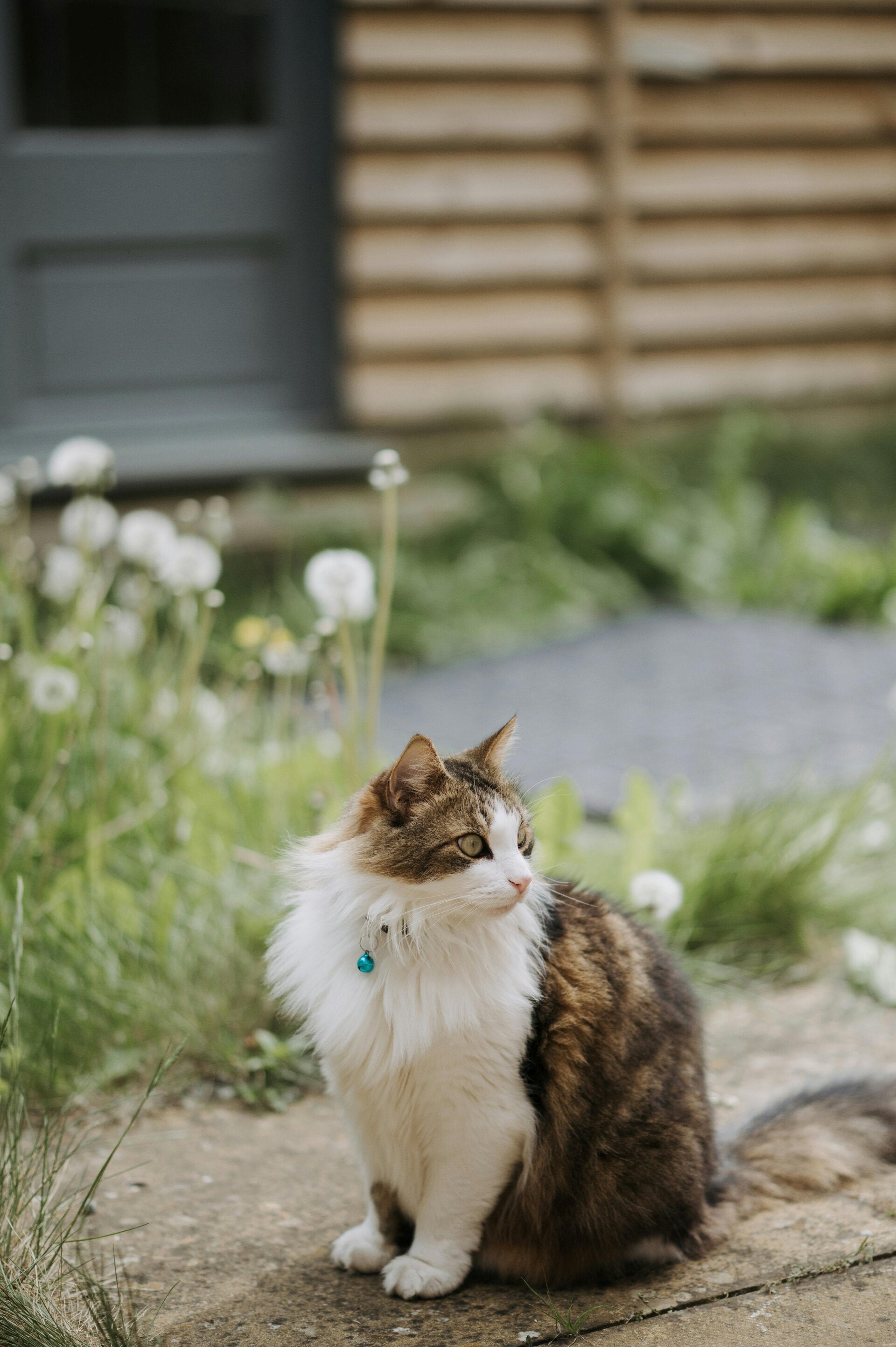
Community cats, TNR, and colony management
Feral and free-roaming cats are a vital part of our outdoor landscape, requiring humane and coordinated management. Trap-neuter-return (TNR) remains the most effective, compassionate strategy for stabilizing community cat populations and preventing feline overpopulation. Providing weather-resistant outdoor shelters, clean feeding stations, and routine parasite control significantly improves their quality of life. Learn how to recognize ear-tipped community cats, identify lost pets, and safely collaborate with neighborhood caretakers to keep local outdoor colonies healthy and secure.
https://www.facebook.com/groups/communitycatsofbrazoriacounty
https://dreamfeatherdigital.etsy.com/listing/4591782812/colony-caretaker-tnr-tracker-planner
🐾 Local Barn & Working Cat Programs
- Brazoria County Barn Cats — Brazoria County — Adoption, TNR & relocation TNR Texas
- SPCA of Brazoria County Barn Cat Program — Lake Jackson — Feral/unsocialized cats SPCA of Brazoria County
- Starlight Outreach & Rescue — Brazoria, Galveston & Harris Counties — Rescue and community-cat assistance TNR Texas
- BARC Working Cat Program — Houston — Barn, warehouse & outdoor working cats Houston Texas Government
- League City Animal Care Working Cat Program — League City — Working cats for barns, shops & warehouses League City Animal Care

Brazoria County rescue networks and shelter partners
Columbia and surrounding communities benefit from dedicated rescue groups, adoption facilities, and municipal shelters. Connect with key regional partners such as the SPCA of Brazoria County and its Cattery in Lake Jackson, West Columbia Animal Shelter, Angleton Animal Control Adoption Center, and City of Pearland Animal Shelter. Organizations like Lone Star Pawz, Alvin Animal Adoption Center, Paws Animal Rescue, and Emerald Eyes Animal Sanctuary provide adoption, fostering, and low-cost spay/neuter options alongside community support from Sweeny, Jones Creek, and Manvel animal services.
🐾 Brazoria County Cat Rescue & Shelter Directory Lake Jackson
- SPCA of Brazoria County
- SPCA of Brazoria County Cattery
The SPCA of Brazoria County operates the Southern Brazoria County Animal Shelter, and its Cattery houses adoptable cats and kittens.
ANGLETON
- Angleton Animal Control Adoption Center
PEARLAND
- City of Pearland Animal Shelter & Adoption Center
- Lone Star Pawz
- Lone Star Pawz CATfé
Pearland Animal Services provides sheltering, adoption, fostering and other animal services, while Lone Star Pawz is a local rescue with cats available for adoption.
ALVIN
- Alvin Animal Adoption Center
- Paws Animal Rescue, Inc.
Brazoria
- Emerald Eyes Animal Sanctuary, Inc.
West Columbia
- West Columbia Animal Shelter
The SPCA of Brazoria County specifically lists West Columbia Animal Shelter among the local-area shelters. SPCA of Brazoria County
Other Nearby Resources Worth Including
- Jones Creek Animal Control
- Sweeny Animal Shelter
- Manvel Animal Control
- Brazoria County Sheriff's Livestock & Animal Shelter

Affordable spay and neuter resources
Spaying and neutering is the single most effective way to improve cat health, prevent homeless litters, and support community wellness across Southeast Texas
Local Spay/Neuter Resources
-
SPCA of Brazoria County
-
Operates a low-cost spay/neuter clinic in Brazoria County.Their program is intended to make spay/neuter affordable for local families and animal rescuers.Clinic: 515 W. 2nd St., Freeport.Phone: 979-871-4018. SPCA of Brazoria County
-
Fix Ur Pet — Santa Fe Low-cost spay/neuter for cats and dogs. They specifically offer a feral/community cat rate when the cat is presented in a trap. Their outreach program also works with people caring for feral/community cats and has provided free or low-cost services through community outreach.
4247 FM 1764, Santa Fe- 409-270-2127
-
Jenni's Rescue Ranch — Get Stitch
-
Jenni's Rescue Ranch hosts low-cost spay/neuter and vaccine events, with appointments generally offered first-come, first-served. They tell people to follow the Get Stitched program for upcoming dates and registration announcements. They've previously held extremely affordable Brazoria County events; one 2025 event offered $20 spay/neuter, vaccines and microchips.
-
SNIP of Texas Spay/Neuter — Dickinson Nonprofit low-cost spay/neuter clinic. Offers services for cats and dogs and has a community/feral cat program.
- Located at 4215 Gulf Freeway, Dickinson.
- 281-724-9111.
-
Animal Alliance of Galveston County — La Marque Nonprofit, low-cost veterinary clinic. Provides affordable spay/neuter and basic preventive care for cats and dogs.
- 1014 Bayou Road, La Marque
- 409-933-1600.
-
Pearland Animal Resource Center
- Nonprofit low-cost veterinary clinic.
- Offers cat and dog spay/neuter as well as a feral cat/TNR option.
- 3939 Allen Road, Pearland
- 832-637-7233.
-
Houston Spay Neuter
- High-volume, affordable spay/neuter clinic serving the Houston area.
- Offers services for community/feral cats and TNR.
- 7234 Wynnwood Lane, Houston
- 888-410-7729.
-
Emancipet — Houston
- Nonprofit low-cost veterinary clinic.
- Offers affordable cat and dog spay/neuter by appointment.
- Southeast Houston location at 8533 Gulf Freeway.
-
SNAP Spay-Neuter & Animal Wellness Clinic — Houston
- Nonprofit low-cost spay/neuter and preventive-care clinic.
- Also works with community cats/TNR when capacity and program requirements allow.
- Main Houston location: 1801 Durham Dr.

Harris and Galveston County cat rescue directory
Extending beyond Brazoria County, our neighboring communities in Harris and Galveston counties offer extensive veterinary networks, high-volume shelters, and community outreach services for cats in need.
🐱 Cat Welfare Resources — Harris & Galveston Counties
📍 HARRIS COUNTY
BARC Animal Shelter & Adoptions
Houston's municipal animal shelter provides cat adoptions, animal services, foster/rescue programs, wellness services, and Trap-Neuter-Return (TNR) resources. Houston Texas Government
📍 3200 Carr St., Houston
📞 311 / 713-229-7300
Harris County Pets Resource Center
Provides animal sheltering, animal control, adoption, foster programs and a low-cost clinic for basic veterinary services for owned pets. Harris County Public Health
Houston SPCA
Provides animal rescue, sheltering, adoption and veterinary resources. The Houston SPCA also has an Injured Animal Rescue Ambulance for qualifying injured animals in the Houston area.
📞 713-869-7722
Houston SPCA Injured Animal Rescue Ambulance
Houston Humane Society
Offers adoption, veterinary care, vaccinations and spay/neuter services. Its Pet Resources programs can also help qualifying families with pet food and veterinary assistance. Houston Humane Society
📍 14700 Almeda Rd., Houston
📞 713-433-6421
Emancipet
Nonprofit low-cost veterinary clinics offering affordable preventive care and spay/neuter services. Houston locations also appear on BARC's feral-cat-friendly veterinary list. Houston Texas Government
SNAP Spay-Neuter & Animal Wellness Clinic
Low-cost spay/neuter and wellness services, including community-cat/TNR services when available. Houston Texas Government
Houston Spay Neuter
Affordable high-volume spay/neuter with services for rescue groups and community/feral cats. Houston Texas Government
Houston Pets Alive!
Offers cat spay/neuter, vaccinations and a specific TNR program for community cats. Their current listing says feral cats must arrive in humane traps. Houston Pets Alive!
Houston PetSet
Provides animal-welfare support and operates/coordinates low-cost spay/neuter resources, including mobile services and community programs. Harris County has also hosted large-scale spay/neuter events supported by local organizations. Harris County Legistar
📍 GALVESTON COUNTY
Galveston County Animal Resource Center
The county animal shelter serves numerous Galveston County communities and provides adoption, foster, volunteer, surrender and animal-control services. GCHD
📍 3412 25th Ave. N., Texas City
📞 409-948-2485
Animal Alliance of Galveston County
One of the most useful resources for the Catvocacy Press list. This nonprofit clinic provides low-cost spay/neuter, vaccines and community-cat/feral-cat services. TNR Texas
📞 409-933-1600
Fix Ur Pet
Low-cost veterinary clinic with specific services for feral/community cats and TNR. BARC's current feral-friendly veterinary list includes Fix Ur Pet. Houston Texas Government
📞 409-270-2127
SNIP of Texas Spay/Neuter
Nonprofit low-cost spay/neuter clinic serving the Houston/Galveston area, including community/feral cats.
Lifeline of Galveston County
A particularly valuable resource for community cats. Lifeline supports TNR, provides community-cat resources, and offers free FVRCP vaccines and microchips through its current programs. Lifeline of Galveston County
📞 409-797-6033
Galveston Island Humane Society
Provides cat rescue, adoption and community-cat/TNR support on Galveston Island. The City of Galveston's community-cat program works with the Humane Society on TNR. Galveston Texas Official Website
📍 6814 Broadway St., Galveston
📞 409-740-1919
Bay Area Pet Adoptions
Nonprofit shelter/rescue serving the Houston-Galveston Bay Area, including cats and kittens needing adoption and placement.
🐾 Community Cat & TNR Resources
A few resources are especially useful for someone who has discovered a colony, stray cat, or feral cat:
- Lifeline of Galveston County — community-cat assistance, TNR information and support. Lifeline of Galveston County
- BARC — TNR resources for Houston community cats. Houston Texas Government
- Houston Pets Alive! — dedicated TNR pricing/program. Houston Pets Alive!
- Animal Alliance of Galveston County — low-cost community-cat sterilization. TNR Texas
- Fix Ur Pet — feral-cat/TNR services. Houston Texas Government
- Galveston Island Community Cat TNR Program — city-supported TNR program for Galveston Island. Galveston Texas Official Webs
Important: Prices, eligibility, appointment requirements and event schedules can change. Always contact the organization before transporting or trapping a cat for a scheduled service.

Help for sick or injured community cats
When an unowned, feral, or free-roaming cat appears sick, wounded, or unresponsive, swift and safe action makes all the difference. Because feral cats view humans as predators, never attempt to handle an injured community cat directly with your bare hands. Secure the cat using a humane box trap or a towel-lined carrier placed gently nearby, keeping movement quiet and calm. If you cannot safely trap the animal, reach out immediately to local Brazoria or Harris County animal control, regional rescues, or mobile transport networks like the Houston SPCA Injured Animal Rescue Ambulance. Many local veterinary clinics and low-cost emergency centers accept community cats presented safely in humane traps for urgent medical assessment.
Help for Sick or Injured Feral and Community Cats
When a feral or community cat becomes sick or injured, getting veterinary care can be difficult. Many caretakers cannot afford unexpected medical bills, and some assistance programs are designed only for owned pets. The following resources specifically include options for unowned cats or rescuers helping animals in need.
Financial Assistance and Emergency Resources
-
Shadow Cats — One Life Fund: Assists unowned community cats in critical situations when funding is available. Applicants must be individual good Samaritans acting independently of a rescue organization. Payments are generally made directly to the veterinary clinic.
https://shadowcats.net/one-life-fund/ -
Animals Staying Alive: A Texas charitable foundation that considers urgent, life-threatening veterinary cases involving animals without an identified owner or adequate financial support. Applicants need a veterinary estimate and brief case description.
https://www.animalsstayingalive.com/ -
RedRover Relief: Offers grants for eligible urgent, potentially life-threatening veterinary situations. Ask whether your case involving an unowned community cat qualifies.
https://redrover.org/relief/urgent-care-grants/ -
TNR Texas: Maintains a resource directory for sick and injured community cats, including financial assistance programs and emergency-care guidance.
https://tnrtexas.com/financial-assistance
https://tnrtexas.com/sick-or-injured-cats -
Alley Cat Allies Community Resource Tool: Search for local veterinary services, financial support, and community-cat assistance programs.
https://gethelp.alleycat.org/
For Colony Caretakers in the Houston Area
If you find an injured, unowned cat in the Houston area, the Houston SPCA's 24-hour injured animal rescue service can be reached at 713-880-4357. Contact them to explain the situation and ask about assistance with the cat. Availability and service boundaries may apply.
Important: Contact assistance programs directly to confirm eligibility before relying on funding. If a cat has severe injuries, difficulty breathing, or another life-threatening condition, seek veterinary help immediately rather than waiting for a grant decision.
Community cats deserve medical care, too. Sharing these resources with fellow colony caretakers can help more cats receive the treatment they need.
Animal emergency ambulance and urgent transport
When critical injuries or sudden feline medical crises happen in Harris County, swift and stabilized transport saves lives.
🚑 Harris County Emergency Animal Rescue
If you find an injured, abandoned, or distressed animal in Harris County, the Houston SPCA operates an Injured Animal Rescue Ambulance that can respond to animals in need.
The service is particularly important when someone finds an animal that is too injured, frightened, or difficult to safely transport themselves.
