

Gulf coast area TNR friendly programs
A regional guide to trap-neuter-return initiatives across the Gulf Coast. Discover community networks, understand local challenges, and learn how compassionate action protects community cats.
Regional TNR program directory
Discover trusted community cat initiatives, low-cost spay and neuter clinics, and humane trap loan resources across the Texas Gulf Coast region.
Gulf Coast Area TNR-Friendly Programs
Here is a cleaned-up text list of the Gulf Coast-area TNR and community-cat programs from your handwritten notes. I’ve kept the organizations and programs listed by name and location where provided.
Houston & Harris County
- Bandade Animal Rescue — Sugar Land — TNR Program
- BARC Animal Shelter — TNR Program
- Citizens for Animal Protection (CAP) — Houston
- East End Kitties — Houston TNR
- Friends for Life — Houston
- Friends of BARC — Feral Cat Program
- Feral Cat Assistance Program (FCAP) — Houston Area
- Harris County Pets — Community Cat Program
- Houston Cares Animal Rescue — Southwest Houston
- Kountry Katz Feral Rescue — Houston Area
- R.O.S.E.S. — Houston TNR Support
- Space City Cats — Heights/Houston
- Texas Litter Control
- The Rescue Vet Clinic — Houston — TNR/community cat services
Friends of BARC currently operates a feral-cat TNR assistance program, and Harris County Pets operates a free Community Cat Program using Shelter-Neuter-Return. Friends of BARC
Fort Bend, Sugar Land & Missouri City
- Bandade Animal Rescue — Sugar Land
- Fort Bend Animal Services — Richmond
- Fix Houston — Friends for Life
- Missouri City Animal Services — Trap Loan/TNR Support
Galveston County & Galveston Island
- Galveston County Empty Shelter Project
- Galveston Island Humane Society
- Galveston Island Community Cat TNR Program
- Life Line of Galveston County
- Animal Alliance of Galveston County — La Marque
The Galveston Island Humane Society operates the Galveston Island Community Cats TNR program, established following the city's 2015 TNR ordinance. Galveston Island Humane Society
Brazoria County & Gulf Coast
- Brazoria County SPCA — Low-Cost Spay/Neuter & TNR
- BC SPCA Spay/Neuter Clinic — TNR
- Wild Peach Veterinary Clinic — Feral Cat Spay/Neuter Initiative
- Stray and Feral Cat Outreach of Bolivar
- S.A.V.E. — Houston/Santa Fe
Baytown & Chambers Area
- Baytown TNR Efforts
- Toni TNR Tails — Baytown
- Tomball SOS
- Wharton County Stray Pet Outreach Team
Toni TNR Tails is an active Baytown-area nonprofit specifically focused on stabilizing stray and feral cat populations through TNR. Toni TNR Tails, Inc.
Corpus Christi & Coastal Bend
- Coastal Bend Cat Rescue — Corpus Christi
- F.E.R.A.L.S. — Corpus Christi
- PAAC — People Assisting Animal Control — Corpus Christi
- The Cattery Shelter — Corpus Christi
- The Cattery Spay/Neuter Program
- Victoria TNR
- Rural Texas TNR
- Refugio Area TNR
PAAC currently promotes community-cat services including spay/neuter, vaccination, ear-tipping and TNR.
Huntsville & Montgomery County
- The Huntsville Cat Project
- Montgomery County Animal Services — TNR Support
- Homeless and Orphaned Pets Endeavor
Santa Fe & Surrounding Area
- Fix Ur Pet — Santa Fe
- S.A.V.E. — Houston/Santa Fe
- SNIP of Texas — Dickinson/League City area
- Animal Alliance of Galveston County — La Marque
Additional TNR-Friendly Resources
- Friends of BARC
- Harris County Pets Community Cat Program
- Citizens for Animal Protection — Feral Cat Assistance Program
- Texas Litter Control
- Emancipet
- Greater Good
- The Rescue Vet Clinic
Please contact each organization directly before trapping. TNR policies, appointment requirements, service areas, fees, trap requirements, and availability can change. Always confirm current information before making arrangements for a community cat.
A beginner's guide to successful TNR
Trap-Neuter-Return: A Step-by-Step Guide to Helping Community Cats
Trap-Neuter-Return, commonly called TNR, is a humane way to help manage community cat populations. Instead of allowing unsterilized cats to continue producing litters, cats are humanely trapped, taken to a veterinary clinic to be spayed or neutered and vaccinated, and then returned to the outdoor location they know as home. Alley Cat Allies
TNR may seem intimidating if you have never done it before, but with preparation and the right equipment, the process can be straightforward.
1. Make a TNR Appointment
Before trapping a cat, contact a TNR-friendly veterinary clinic, shelter program, or low-cost spay/neuter clinic.
Some programs require an appointment, while others may offer designated walk-in TNR days. Always check the clinic's current requirements before trapping.
Ask:
- Do I need an appointment?
- Do you accept community/feral cats?
- Is there a TNR or community-cat discount?
- What services are included?
- Will the cat receive a rabies vaccination?
- Will the cat be ear-tipped?
- What time should cats be dropped off and picked up?
- Does the clinic provide post-surgical recovery, or will I need to do it?
Ideally, schedule the appointment as close as possible to the day you plan to trap. Alley Cat Allies
2. Prepare Your Humane Trap
Use a humane box trap designed for cats. Never attempt to catch a community cat by hand.
Have your supplies ready:
- Humane trap
- Smelly wet cat food, tuna, sardines, or mackerel
- Blanket or large towel to cover the trap
- Trap identification information
- Newspaper or another appropriate trap liner
- Vehicle with climate control
- A safe, quiet recovery area
Strong-smelling food can help encourage a cat to enter the trap. Alley Cat Allies
3. Set the Trap
Place the trap on a level surface in an area where the cat normally eats or travels.
Put the bait toward the back of the trap, beyond the trip plate.
Then step away and remain close enough to monitor the trap.
Never set a humane trap and leave it unattended. Cats can become frightened, and extreme heat or cold can be dangerous for an animal confined in a trap. Alley Cat Allies
If your TNR clinic has specific instructions about withholding food before surgery, follow those instructions. Water should remain available according to the clinic's directions. Alley Cat Allies
4. When the Cat Is Trapped
Once the cat enters and the trap closes, approach calmly.
The cat may panic, thrash, or vocalize. This is usually fear, not an indication that the cat is being harmed.
Immediately cover the trap with a blanket or towel.
Covering the trap helps reduce visual stimulation and can make the cat feel more secure. Leave the trap closed. Do not attempt to pet, handle, or release the cat. Alley Cat Allies
Secure the trap door according to your trap's design and clinic instructions.
5. Transport the Cat to the TNR Clinic
Transport the cat as soon as practical to the veterinary clinic or designated TNR program.
Keep the trap:
- Covered
- Upright
- Secure so it cannot slide around
- Inside the climate-controlled passenger/cargo area of your vehicle
Never put a trapped cat in a vehicle's trunk or an open truck bed. Do not stack traps on top of one another. Alley Cat Allies
6. The Veterinary Visit
At the TNR clinic, the cat will typically be examined and spayed or neutered, vaccinated, and ear-tipped. Additional services vary by program. Alley Cat Allies
The ear tip is especially important because it provides a visible sign that the community cat has already been sterilized. This can prevent the cat from being trapped and undergoing an unnecessary surgery in the future.
Make sure the clinic knows exactly where the cat was trapped. Good records are important because the cat needs to be returned to its original outdoor home. ASPCA
7. Pick Up the Cat When the Clinic Notifies You
Follow the clinic's instructions regarding pickup.
After surgery, the cat should remain in the same humane trap for recovery unless veterinary staff determine that a different arrangement is necessary.
Bring the covered trap home or to your designated recovery area.
8. Recovery After Surgery
Place the cat in a quiet, secure, temperature-controlled area away from other animals and household activity.
Keep the trap covered to help reduce stress, while allowing appropriate ventilation and enough visibility for you to monitor the cat.
Check on the cat regularly according to your veterinarian's instructions.
Watch for signs of a medical emergency, such as:
- Significant bleeding
- Difficulty breathing
- Repeated vomiting
- Extreme weakness or failure to become alert
- Other concerning changes
Contact the veterinary clinic immediately if something doesn't look right. Alley Cat Allies
Female cats may sometimes need a longer recovery period than males, so follow the clinic's specific release instructions rather than assuming every cat can be released at the same time. Alley Cat Allies
9. Return the Cat to Its Home
This is the final and very important part of Trap-Neuter-Return.
Return the cat to the exact location where you trapped them. Community cats are bonded to their outdoor territory, and relocating them to another area can put them at risk. Alley Cat Allies
When it is time to release:
- Take the covered trap to the original trapping location.
- Position the trap away from traffic and other hazards.
- Point the opening toward a safe area.
- Open the trap.
- Step away and allow the cat to leave on its own.
Do not reach into the trap or attempt to pull the cat out.
Once the cat has returned, provide food and water and continue monitoring the area. Alley Cat Allies
TNR Is More Than One Surgery
TNR works best as an ongoing effort. After sterilizing the cats already living in a colony, continue watching for newcomers and kittens.
A good community cat caretaker:
Traps → Neuters/Spays → Vaccinates → Ear-tips → Recovers → Returns → Monitors
Over time, sterilizing the cats in a colony prevents new litters and helps stabilize the community cat population. ASPCA
A Trapped Cat Is Depending on You
TNR doesn't have to mean being an experienced rescuer. It starts with one cat, one humane trap, and a commitment to get that cat safely through the process.
If you see an unsterilized community cat, don't just wonder where the next litter will come from. Find a TNR program, make a plan, and help break the cycle.
Always follow the specific instructions of your veterinarian or TNR program, as fasting, surgery, recovery, and release requirements can vary by clinic.


Community cat training programs
Across the Texas Gulf Coast, compassionate residents work together to manage free-roaming cat populations through humane trap-neuter-return methods. Below are links to training programs for TNR and community cats and info on misconceptions.
https://bestfriends.org/network/resources-tools/community-cat-programs-training-playbook
The science behind free roaming cats and kittens https://www.felineresearch.org/
TNR tips https://tnrtexas.com/tips
Overcoming the biggest local hurdles
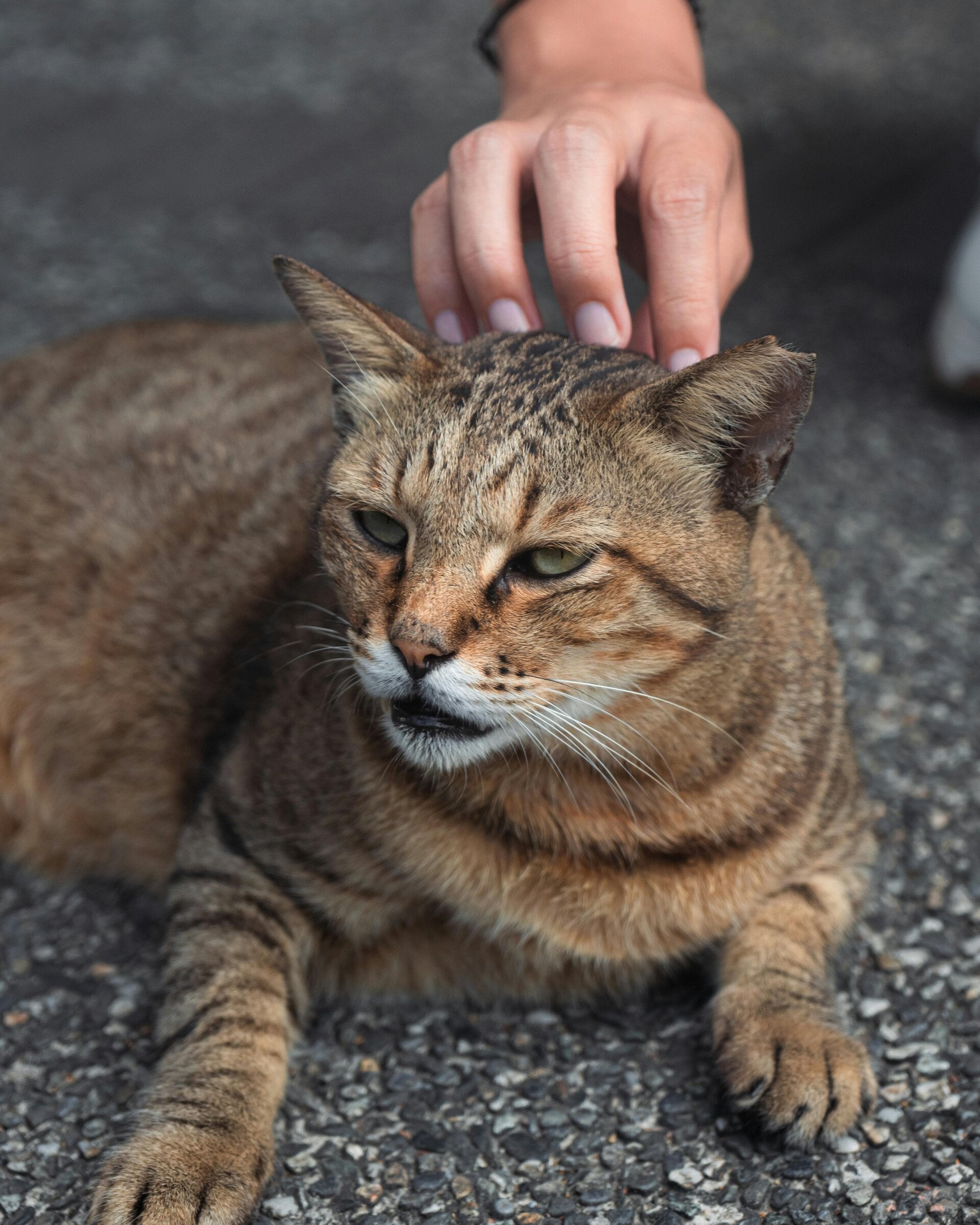
Caring for community colonies often comes with difficult challenges, including high veterinary costs, limited local resources, and a lack of municipal support. Understanding these hurdles is the first step toward building sustainable grassroots networks that support both caretakers and community cats.
https://bestfriends.org/pet-care-resources/how-lobby-trap-neuter-vaccinate-return-tnvr-cats
Empowering colonies through training and education
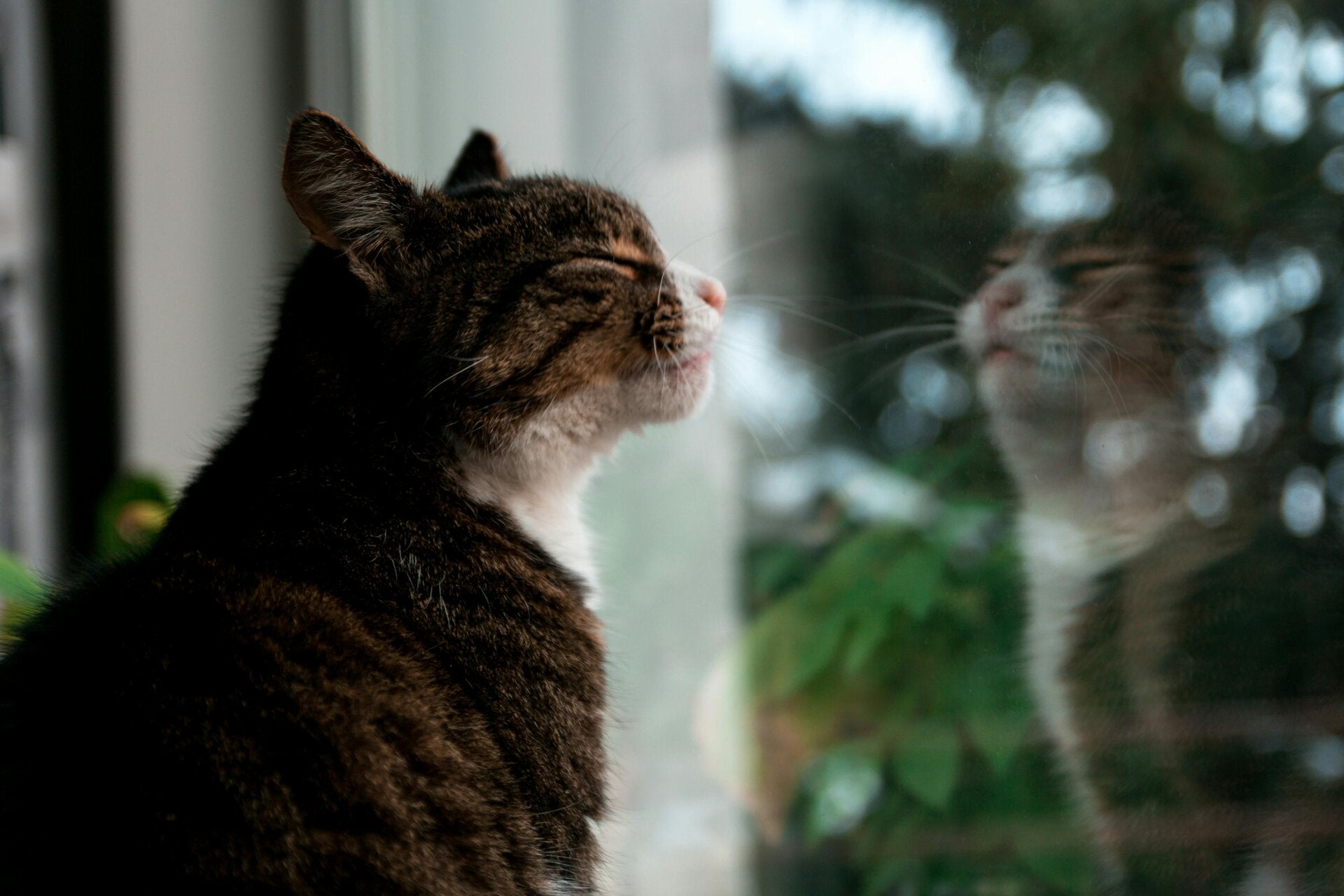
Beyond sterilization, long-term success relies on education and community involvement. Explore specialized training through TNR Texas, establish neighborhood trap teams, and submit your personal experiences to pamela.urban777@gmail.com to help inspire advocacy across our region.
Create Your Own Website With Webador